The Importance of Hygiene: A Path to Well-being
Handwashing: Your First Line of Defense
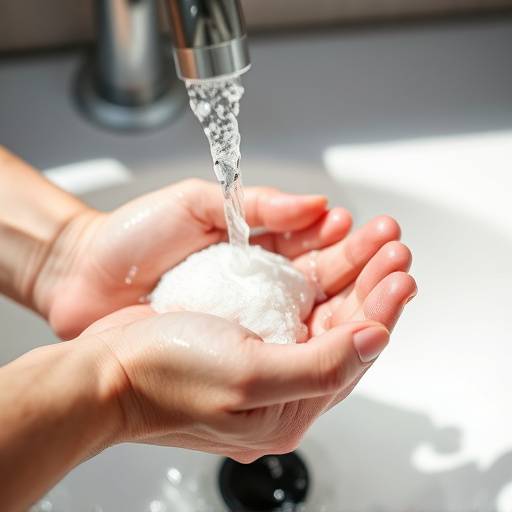
Proper handwashing is one of the most effective ways to prevent the spread of germs and illnesses. The Centers for Disease Control and Prevention (CDC) recommends washing your hands with soap and water for at least 20 seconds. This simple act can significantly reduce the risk of contracting respiratory infections, gastrointestinal illnesses, and other common diseases.
Here's why handwashing is crucial:
- Removes Germs: Handwashing physically removes germs and bacteria from your hands.
- Prevents Illness: It helps prevent the spread of infectious diseases.
- Protects Others: By washing your hands, you protect not only yourself but also those around you.
Remember to wash your hands:
- Before preparing or eating food.
- After using the restroom.
- After coughing or sneezing.
- After touching surfaces in public places.
If soap and water are not available, use an alcohol-based hand sanitizer that contains at least 60% alcohol.
Oral Hygiene: A Healthy Mouth, A Healthy Body

Oral hygiene is essential for maintaining healthy teeth and gums, but it also plays a significant role in overall health. Poor oral hygiene can lead to tooth decay, gum disease, and bad breath. In severe cases, it can even contribute to more serious health problems such as heart disease, stroke, and diabetes.
Key practices for maintaining good oral hygiene include:
- Brushing: Brush your teeth at least twice a day with fluoride toothpaste.
- Flossing: Floss daily to remove plaque and food particles from between your teeth.
- Mouthwash: Use an antiseptic mouthwash to kill bacteria and freshen your breath.
- Regular Dental Checkups: Visit your dentist regularly for checkups and cleanings. Dr. Eleanor Vance at Gentle Smiles Dentistry (123 Oak Street, Pleasantville, CA 90210) recommends a checkup every six months.
Dr. Vance also notes, "Proper oral hygiene is a cornerstone of overall health. Neglecting your teeth and gums can have far-reaching consequences."
Food Safety: Preventing Foodborne Illness

Food safety is critical for preventing foodborne illnesses, also known as food poisoning. Foodborne illnesses are caused by consuming contaminated food or beverages. Common symptoms include nausea, vomiting, diarrhea, and abdominal pain.
To ensure food safety, follow these guidelines:
- Clean: Wash your hands, utensils, and surfaces thoroughly before and after handling food.
- Separate: Keep raw and cooked foods separate to prevent cross-contamination.
- Cook: Cook foods to the proper internal temperature to kill harmful bacteria. Use a food thermometer to ensure accuracy.
- Chill: Refrigerate perishable foods promptly to prevent bacterial growth.
Pay attention to these specific recommendations:
- Wash fruits and vegetables thoroughly under running water.
- Cook poultry to an internal temperature of 165째F (74째C).
- Cook ground meat to an internal temperature of 160째F (71째C).
- Refrigerate leftovers within two hours.
Consult the USDA's website for detailed guidelines on safe food handling and cooking temperatures. You can also find helpful information in their food safety guide published annually.
Personal Hygiene: Daily Practices for Well-being

Beyond handwashing, oral hygiene, and food safety, personal hygiene encompasses a range of daily practices that contribute to your overall health and well-being. These practices include showering or bathing regularly, wearing clean clothes, and maintaining good grooming habits.
Here are some key aspects of personal hygiene:
- Regular Bathing: Showering or bathing regularly helps remove dirt, sweat, and bacteria from your skin, preventing body odor and skin infections.
- Clean Clothing: Wearing clean clothes helps prevent the spread of germs and keeps you feeling fresh. Change your clothes daily, especially after exercising or sweating.
- Grooming: Maintaining good grooming habits, such as trimming your nails and keeping your hair clean, contributes to your overall appearance and hygiene.
- Respiratory Hygiene: Cover your mouth and nose when you cough or sneeze, and dispose of used tissues properly. This helps prevent the spread of respiratory infections.
Hygiene in the Workplace: Protecting Yourself and Your Colleagues
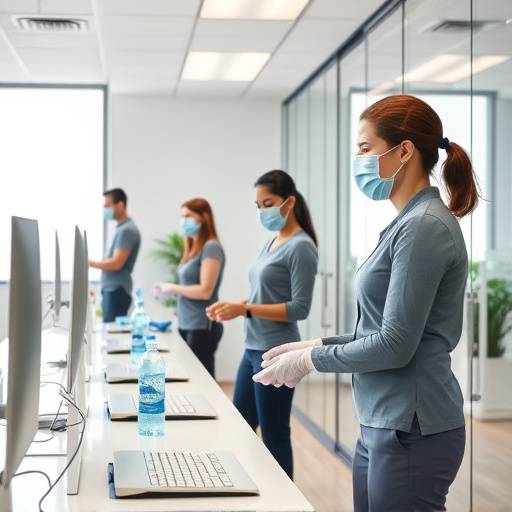
Maintaining good hygiene in the workplace is essential for protecting yourself and your colleagues from illness. Shared workspaces and common areas can harbor germs, so it's important to follow certain hygiene practices to minimize the risk of infection.
Here are some important considerations for workplace hygiene:
- Hand Hygiene: Wash your hands frequently, especially after touching shared surfaces such as keyboards, doorknobs, and elevator buttons.
- Surface Cleaning: Regularly clean and disinfect your workspace, including your desk, phone, and computer equipment.
- Shared Equipment: Avoid sharing personal items such as cups, utensils, and towels. If you must share, clean and disinfect them thoroughly before and after use.
- Sick Leave: If you're feeling sick, stay home from work to prevent spreading your illness to others. Consult with your healthcare provider for guidance.
By adopting these hygiene practices, you can significantly reduce your risk of illness and improve your overall quality of life. Vitality Compass encourages you to prioritize hygiene as a fundamental aspect of your holistic health journey.
Back to Homepage